|
VIVEK SANJIVANI An Initiative for Healthcare and Education Annual Report 2025-26
|
Vivek Sanjivani: Lighting the Path to Health and Learning
In a world where the gap between privilege and need often feels insurmountable, Vivek Sanjivani stands as a radiant bridge of compassion. Vivek Sanjivani, an initiative by Ramakrishna Mission Home of Service in Luxa, Varanasi, is more than a program—it is a promise of dignity, care, and opportunity.
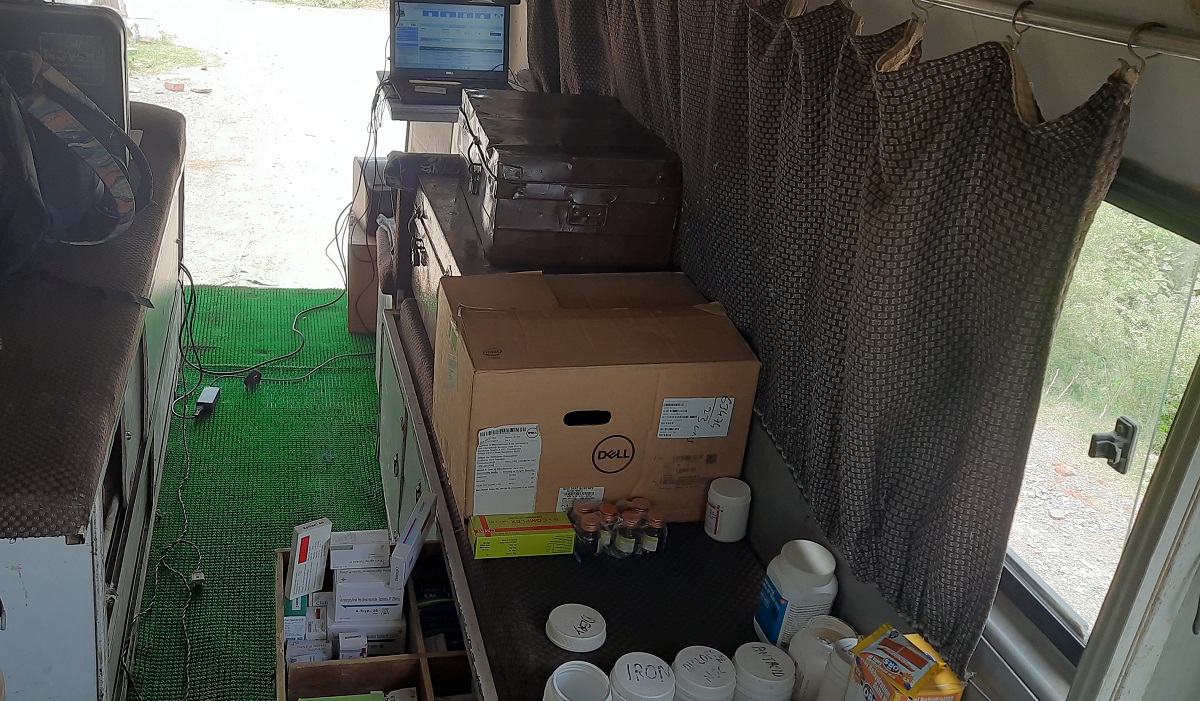
Through its nine telemedicine centres—five Stationary Telemedicine Units and four Mobile Telemedicine Units—Vivek Sanjivani has become a lifeline for those who once stood at the margins of healthcare. These centres are not just clinics; they are sanctuaries where technology and humanity converge.
By harnessing innovation and compassion, the initiative dissolves barriers of geography and poverty. It does more than heal bodies—it restores hope, safeguards futures, and affirms the simple truth that healthcare is not a privilege, but a right.
Vivek Sanjivani is not just treating patients. It is nurturing resilience, empowering communities, and reminding us all that when service meets vision, miracles are possible.
Impact and Outreach during 2025-26:
During the financial year 2025-26, Vivek Sanjivani successfully extended its healthcare services to 67,753 healthcare beneficiaries across six districts, including one aspirational district in Eastern Uttar Pradesh and another in Uttarakhand.
A concise report highlighting the Telemedicine and other Healthcare Services delivered during FY 2025-26:
|
Male |
Female |
Child Male |
Child Female |
Total |
OBC |
SC |
ST |
Minority |
|
29,151 |
35,199 |
1,679 |
1,724 |
67,753 |
25,966 |
26,124 |
851 |
8,270 |
Key achievements include:
- 34,744 patients benefitted from STUs and MTUs.
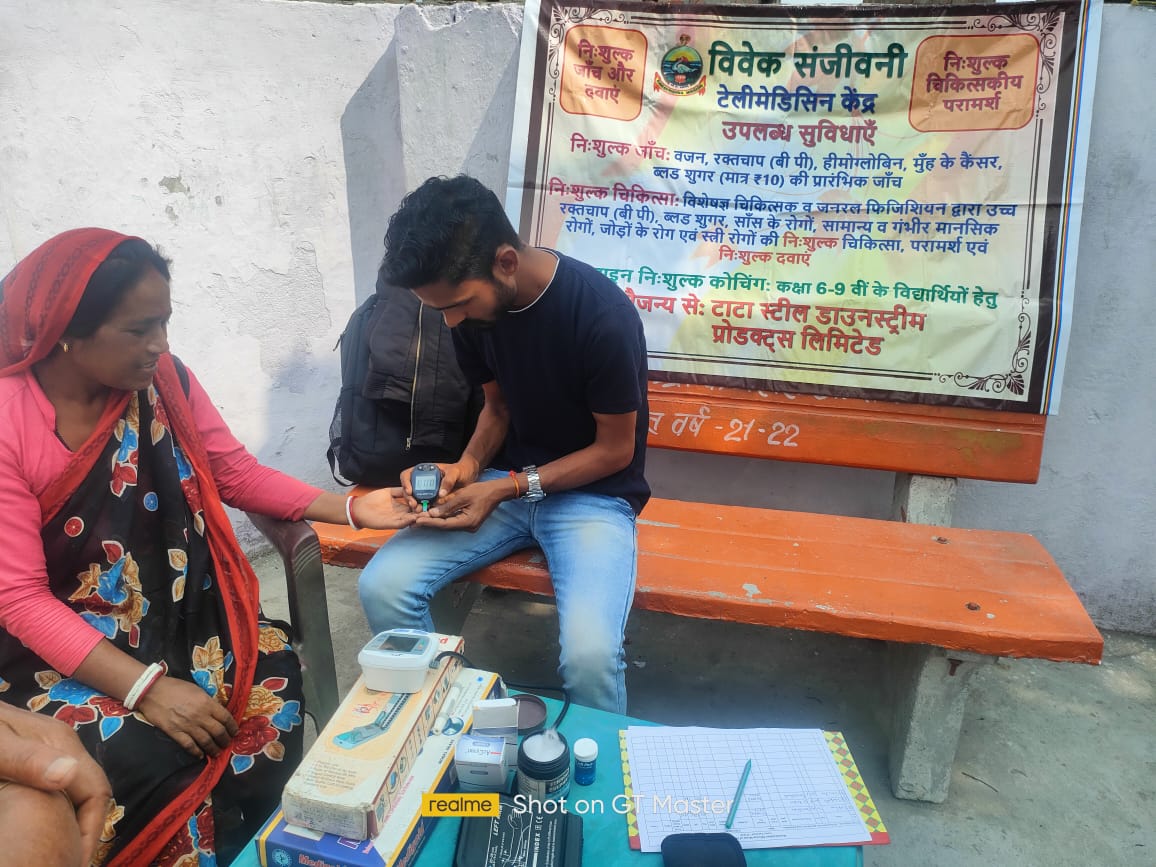
- 24,848 individuals underwent Non-Communicable Disease Screening (NCDS), with 15,224 women receiving health assessments.
- A total of 8,805 psychiatric consultations were conducted for patients from underprivileged backgrounds, with 90.1% belonging to OBC, SC, ST, and minority communities. These patients were diagnosed with Common Mental Disorders (CMD), Severe Mental Disorders (SMD), and epilepsy. Among them were 3,306 women and 743 children.
- Mental health Disorder Screenings were conducted for 389 beneficiaries.
- Eye care: 257 beneficiaries received support for eye refraction and 3Nethra check up
- 191 women received antenatal care (ANC) to support maternal and child health.
- Nutritional Support: 7,240 children and chronically ill patients were provided with nutritional food supplements, fostering better health and long-term well-being.
A substantial portion of total healthcare beneficiaries belonged to underprivileged backgrounds, with 90.37% hailing from OBC, SC, ST and minority communities, and 51.95% of all beneficiaries being women. The initiative also enabled patients to save approximately ₹600 to ₹1,000 per visit by offering doctor consultations, diagnostic tests, and medicines at no cost or minimal expense.
Commitment to Holistic Well-being:
Vivek Sanjivani offered holistic education to 93 kids throughout the year; Conducted Online Science class for 2,648 students and Online Value Education class for 5,344 students; Basic Computer Knowledge and practical trainings offered to 2,432 students; Through audio-visual health education, 530 villagers including students have been empowered with knowledge on nutrition, hygiene, and disease prevention, leading to healthier lifestyles and proactive self-care; Conducted value education programme for 339 participants, which includes villagers and students; Created Book Banks in Schools and other Institutions with 3,618 books on Science and Value Education.
IEC (Information, Education and Communication) Programme:
An IEC Programme (Information, Education, and Communication) was conducted at our Telemedicine Unit in Hinauta, District Sonbhadra, with 48 participants. Prof. Jayanta Mukherjee, Head of Telemedicine Software Development in the Department of Computer Science and Engineering at IIT Kharagpur, along with his team, was present at the programme.
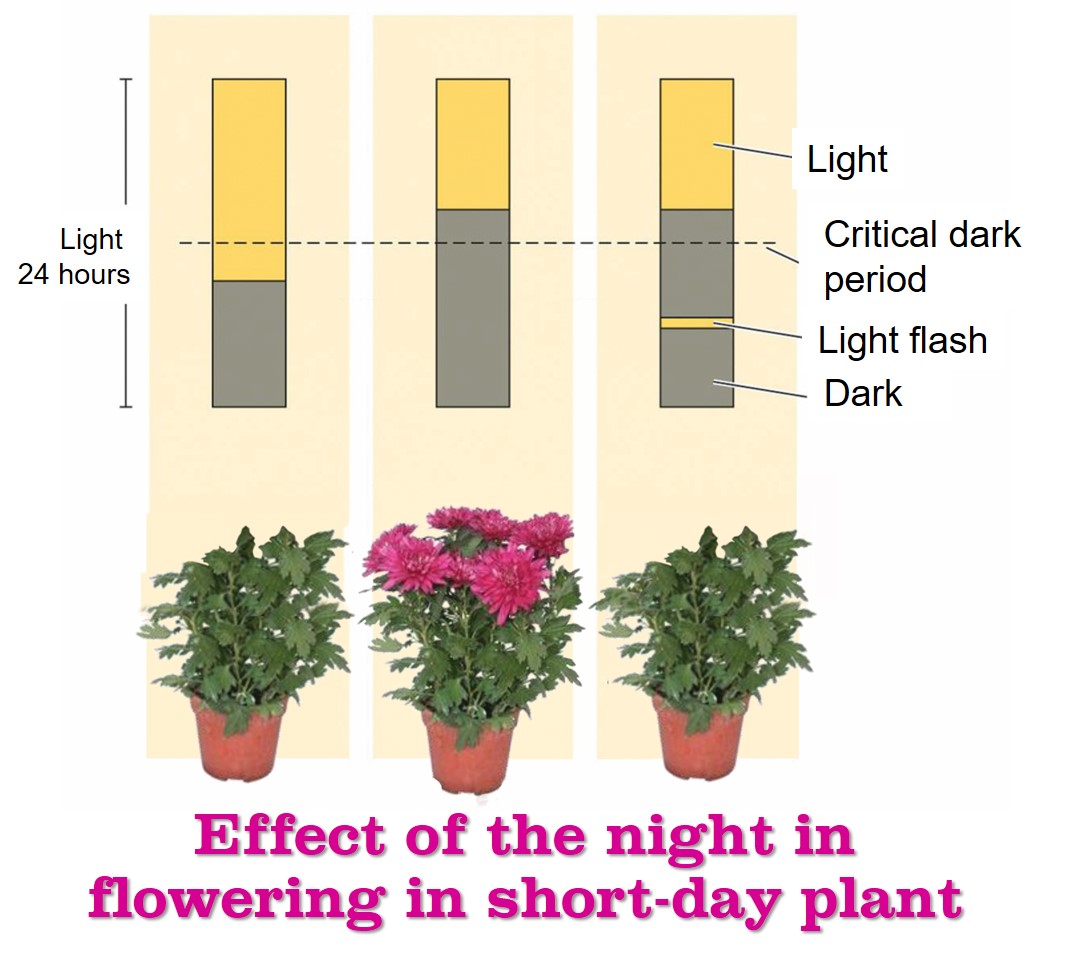
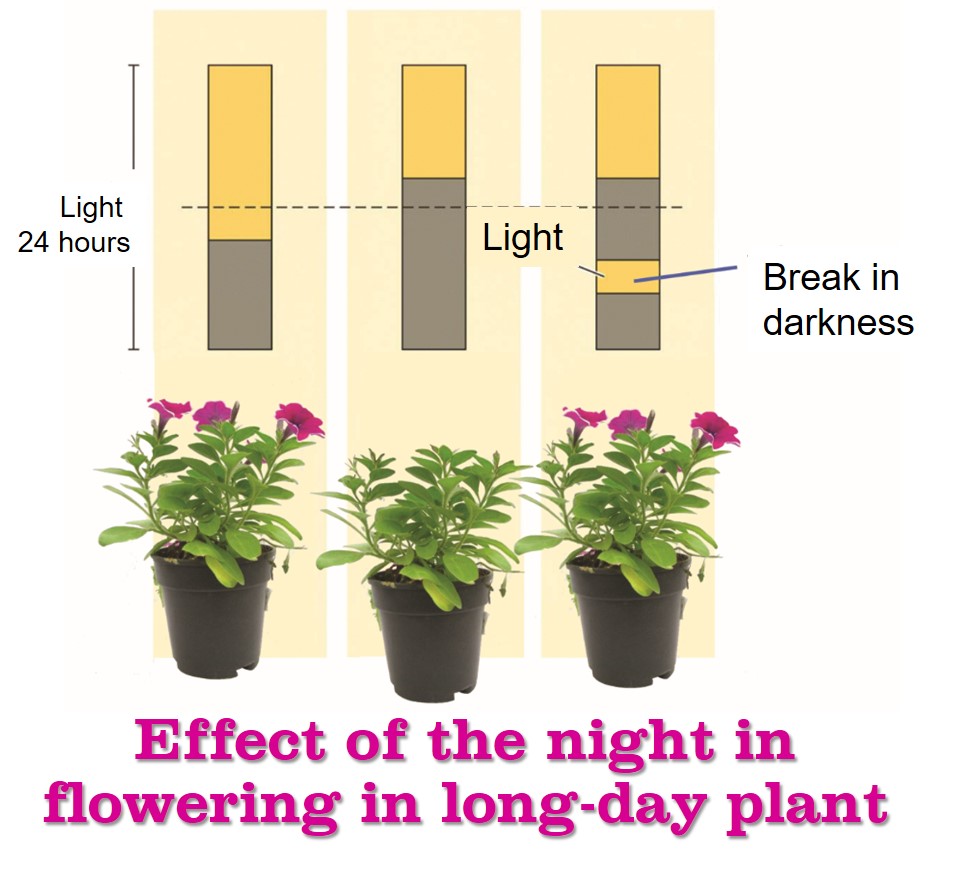 If a long-day plant is kept in any dark place then it is seen that the flowers are not blooming when the night becomes too long. Again, if the light is switched on for a very short time in the middle of the night, the length of the night will be broken. At that time flowers can be seen on the Long-day plants.